Being In-Tune with the Arts Improves Contributions to Science and Medicine
By Trinity Dubree
For too long now, we have allowed ourselves to get comfortable with the idea that, if you want to be successful in life, there are only a handful of careers you can pursue. When concerned about job security and stability for years to come, people often move away from the arts and humanities— turning to “safer paths” like business or STEM. However, this abandonment is doing STEM students a disservice— not only for putting their pleasures on hold, but also by not allowing these two sectors of their lives to overlap. Why should we separate the arts and the sciences when, together, they enhance your skills?
When we feel connected to art, we often think of it in the mental or emotional sense. However, art runs through our veins and affects us on the cellular level. In the book Your Brain on Art: How the Arts Transform Us, Ivy Ross and Susan Magsamen covered a case in which music and sound waves were used in order to create heart tissue patches. In the event of a heart attack or naturally weakened cardiac walls, the body is not able to regenerate this tissue. To remedy the effects of this, scientists have attempted to generate replacement tissue but have found difficulty in doing so on account of the complex heart cell patterns necessary to allow the heart to beat in tandem and without smothering one another.
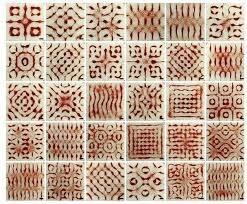
Utkan Demirci had an idea to discover potential successful patterns that fit all the criteria— by using sound waves and acoustics to move submerged, gelled heart cells into different formations. When using this technique, they found that the heart cells would arrange into complex geometric sequences. They could test the “too close, too far” ratios of the cells by fine-tuning and adjusting the sound waves that traveled through the media. If music can make free heart cells react like this, consider now how your favorite song touches you on more than just the emotional level.
Mixing surgery and art does not always have to be as grim as Leonardo da Vinci digging up and dissecting human corpses to gain a better understanding of anatomy (yes, that really happened). On a more wholesome note, craftsmanship and creating art can improve your skills as a surgeon on account of increased dexterity, hand-eye coordination, and elevated confidence. As a medical professional, especially a surgeon, you need to know how to use your hands— hold them steady, control each finger individually, and perform precise movements. Medical students can, at times, struggle to perfect this. Creative endeavors that force you to use your hands allow you to practice these skills without a professor looming over your shoulder or a human life in the palm of your hand. Strumming the strings of a guitar or using a paintbrush allows you to explore your own abilities, practice, and build confidence that can translate to the operating room.
However, the benefits of indulging in art go beyond the physical. The invitation to create, interpret, feel, and analyze art also helps medical students become more empathetic and detail oriented doctors. A radiologist named Carolyn Meltzer stated that her passion in photography (specifically sharp black and white imagery) has made it easier for her to interpret medical scans and catch small but important details. Anson Koshy, MD and professor, explains how art analysis teaches young minds to consider other people’s point of view, find the bigger picture, and practice mindfulness. These skills translate to elevated patient care and a greater ability to understand your patient.
There is too much division between being “left brained” or “right brained.” People often jump to compare between the two— whether it is better to be artistic or logical— when really, we should be pulling from both sides to find creative solutions to difficult questions. Staying in tune with your artistic side will improve your contributions to medicine and science rather than serving as the distraction or abandoned hobby that people make it out to be.