By; Tyler Murray
Why Does It Feel Hotter than the Temperature Says?
Have you ever checked the weather and seen that it is 85 degrees outside, only to step outdoors and feel like its is closer to 95? This is a common experience during the summer, especially on humid days. The temperature shown on your weather app does not always tell the whole story of how hot it actually feels outside. Humidity, sunlight, and wind can all affect how our bodies experience the weather.
The Role of Humidity
One of the biggest reasons it can feel hotter than the actual temperature is humidity. Humidity describes how much moisture is in the air. When humidity is high, the air contains more water vapor, making it harder for sweat to evaporate from your skin.
Sweating is one of the body’s main ways of cooling itself. As sweat evaporates, it carries heat away from your body and helps lower your skin temperature. When the air is already humid, sweat evaporates more slowly. This makes it harder for your body to cool down, causing the weather to feel more uncomfortable.
For example, an 85 degree day with high humidity can feel much hotter than an 85 degree day with dry air. Although the thermometer shows the same temperature, your body may have a harder time releasing heat on the humid day.
What is the Heat Index?
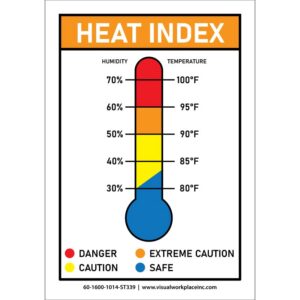
The heat Index is a measure that combines air temperature and relative humidity to estimate how hot it feels to the human body in shaded conditions with light wind. It is often called the “feels-like” temperature on weather forecasts.
As humidity increases, the heat index can rise even when the actual air temperature stays the same. This helps explain why summer afternoons can feel especially uncomfortable in places where warm, moist air is common
However, the heat index does not account for every factor that affects how hot someone feels. Direct sunlight, physical activity, clothing, and individual health can all influence how much heat a person experiences.
How Sunlight and Wind Make a Difference
Humidity is not the only factor that affects how hot it feels outside. Direct sunlight can make a significant difference because the sun adds heat to your body and the surfaces around you. Standing in direct sunlight can therefore feel much hotter than standing in the shade, even when the air temperature is identical.
Wind can also change how the weather feels. A breeze helps move heat and moisture away from your skin, which can make a hot day feel more comfortable. When the air is very humid, however, that cooling effect may be less effective. On particularly hot days, wind does not always provide enough relief to prevent overheating.
These factors explain why two people in the same area can experience the same weather differently depending on whether they are in the shade, walking in direct sunlight or exercising outdoors.
Why It Matters
Understanding the difference between air temperature and the feels- like temperature is important for more than comfort. High heat and humidity can increase the risk of heat related illnesses, including heat exhaustion and heatstroke.
During hot weather, it is important to drink water, take breaks in shaded or air conditioned places, and limit long term outdoor activity during the hottest parts of the day. Checking both the temperature and the heat index can help people make safer decisions before spending extended periods outside.
The Bottom Line
The temperature on a weather forecast is only part of the story. Humidity affects how efficiently sweat evaporates, sunlight adds heat, and wind changes how our bodies exchange heat with the surrounding air. Together, these factors help explain why a day that looks manageable on a weather app can feel much hotter once you step outside.
The next time you check the forecast on a summer day, take a look at the feels like temperature too. It may give you a better idea of what to expect when you head outdoors.